
Having graduated from Christ’s in 2024, and having spent some time working in advocacy and communications at an NGO that supports people seeking asylum in Europe, I am now at UCL doing a masters in Comparative Literature, with a focus, particularly, on Iranian diasporic literatures and the poetics of migration more generally.
Although my Christ’s days are over, the sumptuousness of Milton’s verse still manages to weave its way into my thoughts. Wherever I live, I take with me a postcard that I picked up from the Christ’s Library during my studies (I am looking at it now, pinned to a cork-board in my new home): it is an image of Satan, dark-winged, a barely-there shadow in suspense amongst stars, as he cascades towards what I imagine is the Earth, a heart poking its heard through clouds. This engraving from Gustave Doré’s illustrated edition of Paradise Lost (1882), held in the Old Library at Christ’s, evokes what I think makes Milton’s poetry indelible: his ability to capture both the deepest of human sufferings and the most incandescent of hopes in poetry. It is what I think Milton loves (and fears) about language the most, and it is certainly what I love most about Milton.
Image
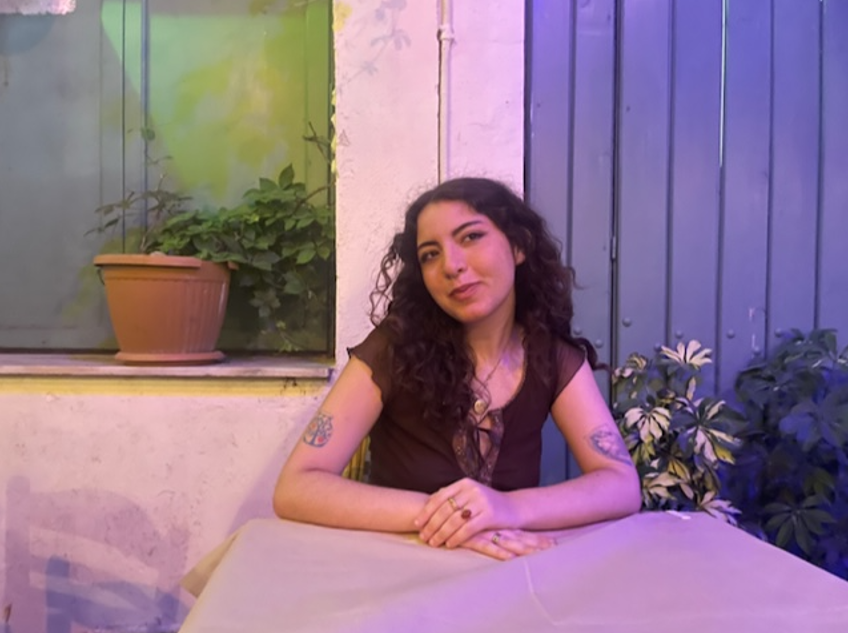
Fargol Malekpoosh
Writer, editor